
"Cameroon coffee history"
50 article(s) found

Introduction to the flavor characteristics of Java coffee in the Varic Manor of the Rodegris family in Bolivia
For more information on coffee beans, please follow the Coffee Workshop (official Wechat account cafe_style) Bolivia is one of the poorest countries in Latin America, a landlocked country bordering Brazil and Colombia. Although it is a country with great potential for coffee export, its output has been quite rare, and the conditions for growing coffee are excellent, but the challenge is also extremely difficult.

Arabica coffee beans, what is the knowledge of coffee cold all over the world?
Professional coffee knowledge exchange for more information about coffee beans, please follow the coffee workshop (Wechat official account cafe_style) one. Costa Rican coffee has full grains, ideal acidity and unique strong aroma. Tarrazu of Costa Rica is one of the major coffee producing areas in the world. The volcanic soil in Costa Rica is very fat.

Which coffee beans are Arabica beans? what kinds of Arabica coffee are there and which ones taste better?
Professional coffee knowledge exchange more information about coffee beans please follow the coffee workshop (Wechat official account cafe_style) Arabica coffee category one. Costa Rican coffee has full grains, ideal acidity and unique strong aroma. Tarrazu of Costa Rica is one of the major coffee producing areas in the world. Costa Rica

A detailed introduction to the establishment, historical origin and current situation of the International Coffee Organization
The International Coffee Organization is an intergovernmental organization founded in London in 1963. It is composed of coffee importers and exporters. The organization is responsible for implementing the International Coffee Convention and is committed to improving the situation of the world coffee industry through international cooperation. Organizational and functional editorial contributions the International Coffee Organization has made a special contribution to the world coffee industry through: (1) organizing regular high-level meetings
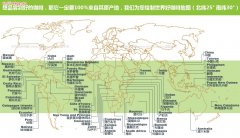
Detailed description of the flavor and taste of the world's top boutique coffee bean varieties
Latin American coffee beans (Central and South America) Brazil: Santos, Bahia, Cerrado, Mogiana Mexico: Coatepec, Huatusco, Orizaba, Maragogype, Tapanchula, Huixtla, Plumako
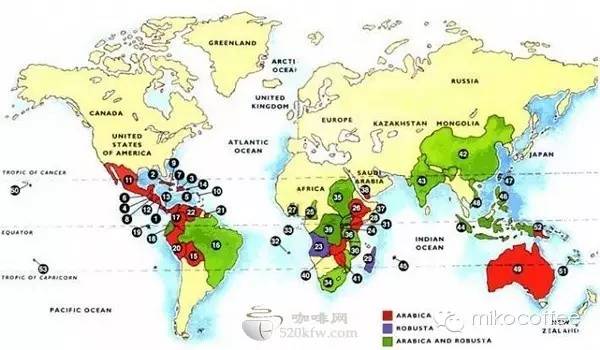
World boutique Coffee beans: the first introduction to Coffee from 53 Coffee producing areas in the World (to be continued)
one. Costa Rican coffee has full grains, ideal acidity and unique strong aroma. Tarrazu of Costa Rica is one of the major coffee producing areas in the world. Costa Rica, with its fertile volcanic soil and good drainage, is the first country in Central America to grow coffee and bananas for commercial value. Coffee and fragrance

What are the characteristics of Bolivian coffee beans? how does Bolivian coffee taste?
Professional coffee knowledge exchange more information about coffee beans Please follow the coffee workshop (Wechat official account cafe_style) Bolivia is one of the most difficult growing areas in the world, transportation and climate are the biggest problems. After a special relationship of origin and cooperation this year, we strongly recommend friends who love alpine coffee with rich flavors such as cherry fruit, cream, chocolate and caramel.

What are the main flavor characteristics of Bolivian coffee beans
Professional coffee knowledge exchange more information about coffee beans Please follow the coffee workshop (Wechat official account cafe_style) if you want to talk about the paradise where coffee beans grow, it is not a paradise. This region can be regarded as one of the most popular boutique coffee producing areas. Most of the coffee beans in this area are sweet and very popular, but the quantity of coffee beans is very small.

Chen Hao personally taught: this is the only way to sigh for coffee! The four major coffee shops in Hong Kong recommend pilgrims to the Holy Land.
A simple cup of coffee, some people's character is mellow, some people sigh that one side is cozy, and some people are looking for a gesture. For Chen Hao, coffee is as familiar and friendly as his family. in order to know more about this beloved, he did not hesitate to travel all over the northern and southern hemispheres to taste thousands of cups of coffee, personally experiencing the whole process from planting to brewing, even though he had experienced the closure of his own coffee shop. Still regard it.

Coffee planting History of Coffee introduction and expansion in China in the early stage (5)
1. From the first peak period of the development of China's coffee industry (1952-1961) to the late 1940s, according to recorded figures, there are 2173.33 hectares of rubber plantations in Hainan Island, with a total of 867600 rubber trees, with an annual output of 199,000 tons of dry rubber, and more than 300,000 coffee plants. the annual output of coffee beans is 1 ton. According to a survey in the early 1950s, there was a large amount of coffee left in Fushan area of Chengmai County, with a total of 70,000.
The History of Coffee introduction and expansion in China in the early stage (5)
1. From the first peak period of the development of China's coffee industry (1952-1961) to the late 1940s, according to recorded figures, there are 2173.33 hectares of rubber plantations in Hainan Island, with a total of 867600 rubber trees, with an annual output of 199,000 tons of dry rubber, and more than 300,000 coffee plants. the annual output of coffee beans is 1 ton. According to a survey in the early 1950s, there was a large amount of coffee left in Fushan area of Chengmai County, with a total of 70,000.

History of introduction and expansion of Coffee in China in the early stage of Coffee Development (5)
1. From the first peak period of the development of China's coffee industry (1952-1961) to the late 1940s, according to recorded figures, there are 2173.33 hectares of rubber plantations in Hainan Island, with a total of 867600 rubber trees, with an annual output of 199,000 tons of dry rubber, and more than 300,000 coffee plants. the annual output of coffee beans is 1 ton. According to a survey in the early 1950s, there was a large amount of coffee left in Fushan area of Chengmai County, with a total of 70,000.

History of introduction and expansion of Coffee in early China (5)
1. From the first peak period of the development of China's coffee industry (1952-1961) to the late 1940s, according to recorded figures, there are 2173.33 hectares of rubber plantations in Hainan Island, with a total of 867600 rubber trees, with an annual output of 199,000 tons of dry rubber, and more than 300,000 coffee plants. the annual output of coffee beans is 1 ton. According to a survey in the early 1950s, there was a large amount of coffee left in Fushan area of Chengmai County, with a total of 70,000.

Why does Bolivian coffee produce so little? Bolivian coffee bean flavor story
Professional coffee knowledge exchange more information about coffee beans Please follow the coffee workshop (Wechat official account cafe_style) if you want to talk about the paradise of coffee bean growth, it is Bolivia. This producing area can be regarded as one of the most recommended boutique coffee producing areas. Most of the coffee beans in this producing area are a little sweet and very pleasing, but the number of coffee beans is very small.
Have a comprehensive understanding of coffee
Legend of Coffee the person who first discovered coffee: a shepherd in Ethiopia, in the fifth and sixth centuries AD. It is said that Niankadi, a shepherd with talent as a poet, herded sheep on the mountain paths of the Ethiopian plateau every day. He liked to drive the sheep home with a shrill flute, but one day the flute sounded again and there was no sign of the sheep. He looked everywhere. Find sheep

What are the basics of coffee?
Coffee is a drink that gives the public the impression of being black, bitter, sleepless, and excited. The coffee beans we see in coffee shops are dark brown and belong to roasted coffee beans, while the color of coffee liquid is amber. Coffee comes from coffee beans, which in turn are harvested and processed from the fruits of trees. Distribution of coffee: coffee trees
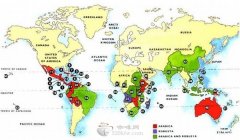
Introduction of Coffee from 53 Coffee producing areas in the World
one. Costa Rican coffee has full grains, ideal acidity and unique strong aroma. Tarrazu of Costa Rica is one of the major coffee producing areas in the world. Costa Rica, with its fertile volcanic soil and good drainage, is the first country in Central America to grow coffee and bananas for commercial value. Coffee and fragrance
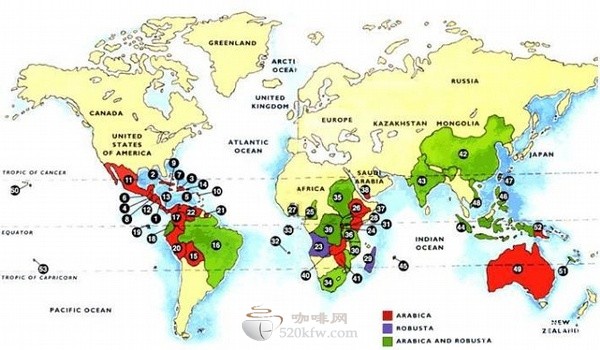
Coffee beans from 53 producing areas-enough to make you memorable
one. Costa Rican coffee has full grains, ideal acidity and unique strong aroma. Tarrazu of Costa Rica is one of the major coffee producing areas in the world. Costa Rica, with its fertile volcanic soil and good drainage, is the first country in Central America to grow coffee and bananas for commercial value. Coffee and fragrance
Bolivian Coffee Plantation Coffee Beans Bolivian Valiki Java Coffee Beans Flavor Features Story
Professional coffee knowledge exchange More coffee bean information Please pay attention to coffee workshop (Weixin Official Accounts cafe_style) If you want to say that coffee beans grow in heaven, it is Bolivia. This producing area can be regarded as one of the most recommended fine coffee producing areas in Xiaobian. The coffee beans in this producing area are mostly sweet and very pleasant, but the amount of coffee beans is very small.

Flavor characteristics of Bolivian Rosa Coffee beans the story of Bolivian Rosa cousin Java Coffee
Professional coffee knowledge exchange more coffee bean information please follow the coffee workshop (Wechat official account cafe_style) Bolivia is an interesting place, although it is known as the paradise of coffee growth, but its production has not been high. Qianjie Coffee has been served in Bolivian coffee several times, and its exquisite flavor is very impressive. The history of Bolivia is very interesting, though